


By Jaguar Contract Cleaning Services on Jun 25, 2026 12:00:00 PM
TLDR
Communal area cleaning plays a key role in tenant satisfaction and retention within residential blocks. Clean, well-maintained shared spaces create positive first impressions, reduce complaints and show that a building is properly managed. Poorly maintained communal areas can lead to dissatisfaction, increased turnover and reputational damage. Consistent, professional cleaning helps retain tenants and protect the long-term value of a property.

Introduction
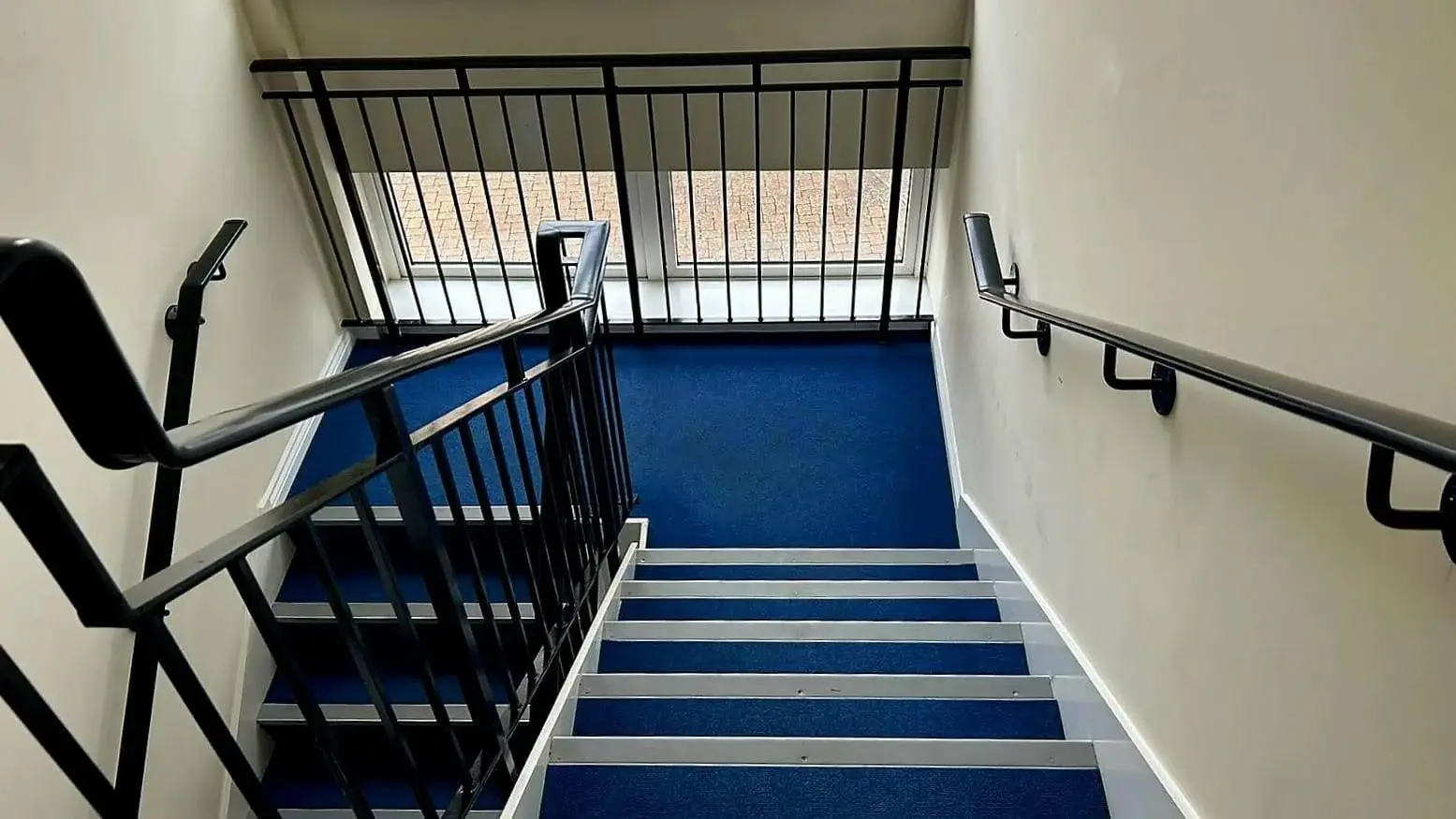
When it comes to residential blocks, most attention is placed on the individual flats themselves. But for tenants, the experience of living in a building starts long before they open their front door. The entrance, hallways, stairwells and shared spaces all form part of that experience. These communal areas are used every single day, not just by residents but by visitors, delivery drivers and prospective tenants viewing the property.
Communal area cleaning for residential blocks is often underestimated, yet it plays a major role in how a building is perceived. Clean, well-maintained spaces help create a positive environment where residents feel comfortable and proud to live.
On the other hand, neglected communal areas can quickly lead to dissatisfaction, complaints and ultimately tenants choosing to leave. For block managers and property managers, maintaining these shared spaces is not just about appearance. It is directly linked to tenant retention and the long-term success of the property.
First Impressions Start Before The Front Door
Before a tenant even steps inside their flat, they have already formed an opinion about the building. The entrance area, lobby and corridors set the tone immediately. If these areas are clean, fresh and well maintained, it creates a sense of care and professionalism. It reassures residents that the building is being looked after properly. However, if tenants are greeted by dirty floors, unpleasant smells or overflowing bins, it sends the opposite message. It suggests a lack of attention to detail and can raise concerns about how the rest of the building is managed.
These first impressions are particularly important for new residents. A clean and welcoming environment can reinforce their decision to move in, while a poorly maintained one can create doubt from day one. In competitive rental markets, where tenants often have multiple options, those early impressions can make a significant difference.
Clean Communal Areas Reduce Complaints
One of the most immediate benefits of effective communal area cleaning is a reduction in complaints from residents. Dirty stairwells, unclean lifts, dusty surfaces and neglected bin areas are common sources of frustration. When these issues are not addressed quickly, they can lead to repeated complaints and dissatisfaction among tenants.
Consistent cleaning helps prevent these problems from arising in the first place. Regular attention to high-traffic areas ensures that shared spaces remain clean, hygienic and pleasant to use. It also shows tenants that issues are being managed proactively rather than reactively. For property managers, this not only improves tenant satisfaction but also reduces the time spent dealing with complaints and chasing problems that could have been avoided.
The Link Between Cleanliness & Tenant Retention
Tenant retention is influenced by many factors, including location, rent and property condition. However, the day-to-day living experience plays a huge role in whether tenants choose to stay long term. Communal areas are a constant part of that experience. Residents pass through them multiple times each day, meaning their condition has an ongoing impact on how people feel about where they live.
When communal areas are clean and well maintained, it contributes to a positive living environment. Tenants are more likely to feel comfortable, respected and confident in the management of the building.
In contrast, poorly maintained communal spaces can gradually wear down tenant satisfaction. It is rarely one big issue that causes someone to leave, but rather a build-up of smaller frustrations. Marks on walls, dirty floors, unpleasant smells and unmanaged bin areas all contribute to that feeling. Over time, tenants begin to associate the building with poor standards, which increases the likelihood of them looking elsewhere when their tenancy ends.
Hygiene & Health In Shared Spaces
Communal areas are shared by multiple residents, which makes hygiene particularly important. High-touch surfaces such as door handles, handrails, lift buttons and entry systems can easily become hotspots for bacteria. Without regular cleaning and sanitisation, these areas can contribute to the spread of germs within the building. This is especially important in high-density residential blocks where hundreds of people may be using the same facilities daily.
Effective communal area cleaning helps maintain hygiene standards and creates a healthier environment for residents. It also provides reassurance, particularly for vulnerable residents, that the building is being properly maintained.
Protecting The Value Of The Property
Maintaining clean communal areas is not just about tenant satisfaction. It also plays a significant role in protecting the overall value of the property. Regular cleaning prevents the build-up of dirt and grime that can cause long-term damage to flooring, walls and fixtures. Carpets last longer, hard floors retain their finish and communal areas remain in better condition over time. Neglected spaces, on the other hand, can quickly deteriorate, leading to costly repairs and refurbishment work.
A well-maintained building is more attractive to potential tenants and can help justify rental values. It also reflects positively on the property management, reinforcing trust and professionalism.
Consistency Is What Makes The Difference
One-off or reactive cleaning might seem like a cost-saving approach, but it often ends up costing more in the long run.
When communal areas are left to build up dirt and grime, deeper and more intensive cleans are required, which come at a higher cost. Regular cleaning schedules ensure that all areas of the building are maintained to a high standard, including entrances, corridors, stairwells, lifts and bin areas, reducing the need for expensive deep cleans and giving residents a clear, predictable monthly cost instead of unexpected charges.
Professional cleaning providers follow structured plans and checklists to ensure nothing is overlooked, meaning standards are maintained every day, not just when an issue is reported. It also sets expectations for everyone using the building.
While cleaning plays a key role, residents themselves are part of the environment. Simple habits such as wiping shoes when it is wet or muddy, and keeping pets clean when entering the building, all contribute to maintaining standards between visits. For residents, this consistency creates a sense of reliability and trust in how the building is managed.
Creating A Better Living Environment
Communal area cleaning for residential blocks is about more than just keeping things tidy. It is about creating an environment where people feel comfortable, safe and proud to live. When communal spaces are consistently clean, it sets the tone for the entire building and supports a better living experience for everyone.
For property managers, investing in regular, high-quality cleaning has a direct impact on tenant satisfaction and retention. It reduces complaints, improves first impressions and helps maintain the long-term condition of the property. Ultimately, clean communal areas are not just a maintenance task. They are a key part of keeping tenants happy and encouraging them to stay. Request a site visit today.


Communal Block Cleaning: In-House Staff Vs. Professional Service
Hiring An In-House Cleaner Vs. Outsourced Cleaning: Which Is Best?
No Comments Yet
Let us know what you think